Sculptra is one of the most misunderstood treatments in aesthetics. People often expect it to behave like filler, with an instant result they can see that afternoon. It does something different, and arguably more interesting: it works with your own biology to rebuild structure over time.
What is Sculptra?
Sculptra is a biostimulator made from poly-L-lactic acid. Rather than filling a line directly, it prompts your body to produce its own collagen in the treated area. Over a series of sessions, that new collagen restores the underlying structure and support that diminish with age. The result reads like your own tissue, because it is.
How is Sculptra different from filler?
Filler adds volume to a specific area immediately. Sculptra rebuilds structure across a broader region gradually. Filler is corrective and instant. Sculptra is regenerative and slow. One is not better than the other; they answer different questions. Within The Method, the two are often sequenced together rather than chosen against each other, depending on your anatomy and long-term plan. Learn more about dermal filler and Sculptra.
The volume you see right after treatment is mostly swelling. The real result is the collagen that builds underneath over the following weeks. Patience is part of the treatment.
How do I prepare for Sculptra?
Preparation is simple, and a little goes a long way. In the two weeks before your appointment, avoid blood-thinning medications and supplements where your physician agrees it is safe, including aspirin, ibuprofen, fish oil, vitamin E, and high-dose vitamin C, as these can increase bruising. The same applies to alcohol in the 24 to 48 hours beforehand.
Arrive well hydrated and well fed. If you have a history of cold sores, tell your provider in advance, as treatment in certain areas can trigger an outbreak that is easily prevented. Finally, time it sensibly: because Sculptra works gradually, plan your series with enough runway for results to develop and any minor bruising to resolve.
What should I expect during and after treatment?
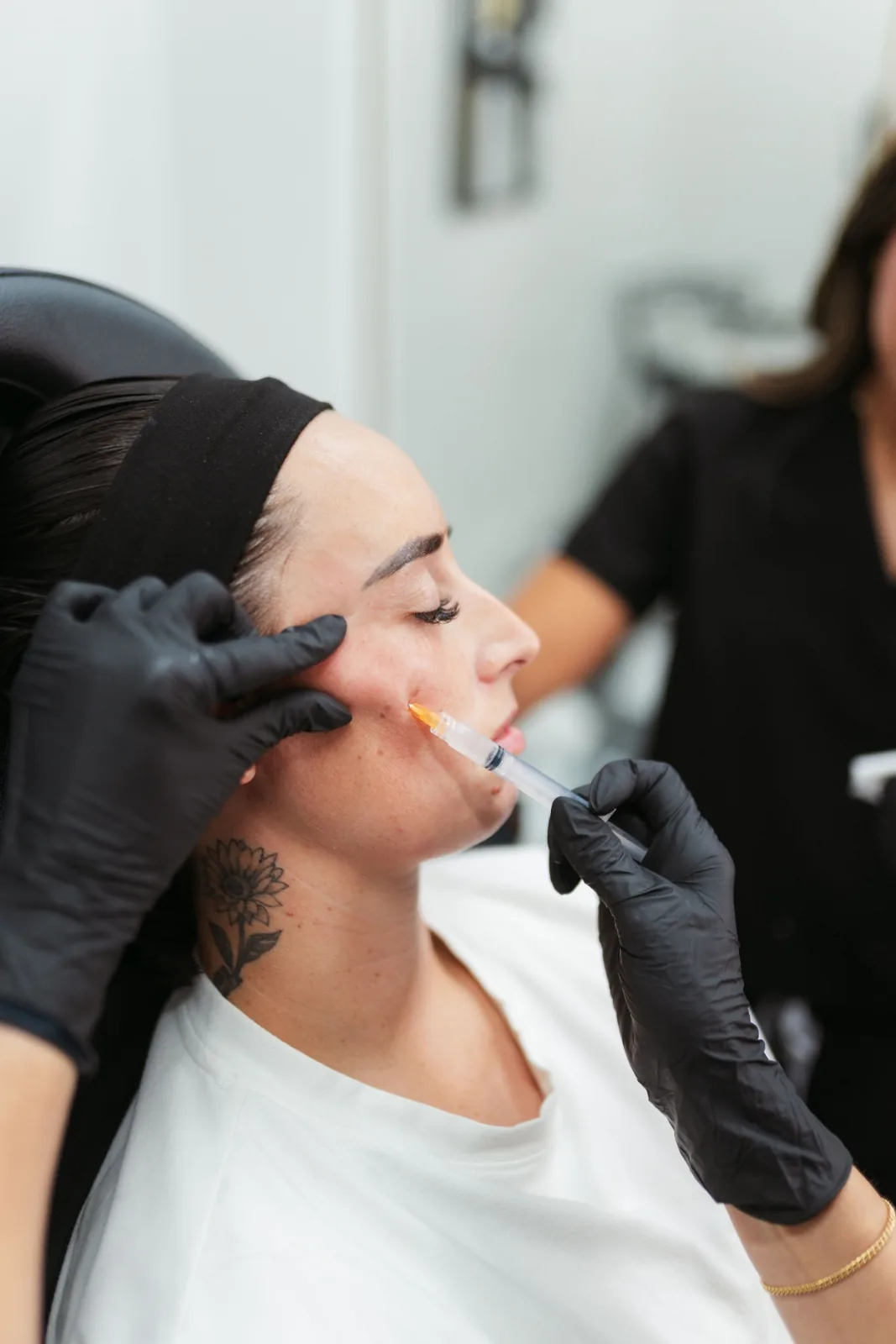
Treatment is an injection appointment, typically around an hour. Afterward, your provider will likely ask you to massage the treated areas for a few days to support even distribution. Some swelling or bruising is normal and resolves within days. You can usually return to your routine quickly, with guidance on exercise and timing.
When will I see results, and how long do they last?
Results build gradually over several weeks to months as collagen regenerates. Most plans involve a series of sessions spaced over time. Once established, results can last two years or more, depending on your biology, treatment plan, and maintenance.
How many sessions will I need?
Most Sculptra plans involve more than one session, sequenced based on your structure, goals, and how your collagen responds. Your provider determines the number and spacing during assessment rather than prescribing a fixed package, because the right cadence depends on the individual.
Is Sculptra right for me?
Sculptra tends to suit people addressing gradual volume loss and structural change rather than a single line, and who are comfortable with results that build over time. The honest answer comes from an assessment, where a provider can see how aging is presenting in your face and decide whether Sculptra, filler, a biostimulator like Radiesse, or a combination best fits your plan.
Questions
What does Sculptra do? It prompts your body to rebuild its own collagen, restoring underlying structure and volume gradually rather than filling a line directly.
How is it different from filler? Filler adds volume immediately to one area; Sculptra rebuilds structure across a broader region over time by stimulating collagen.
How long does Sculptra last? Once established, results can last two years or more, depending on individual biology and maintenance.
How many sessions will I need? Most plans involve more than one session, determined by your provider during assessment rather than a fixed package.
Medical Disclaimer: This article is for general educational purposes and is not medical advice. Treatment suitability, outcomes, and recommendations vary by individual and require an in-person consultation with a qualified BevelUp provider. No result is guaranteed. Always consult a licensed professional before beginning any treatment.